
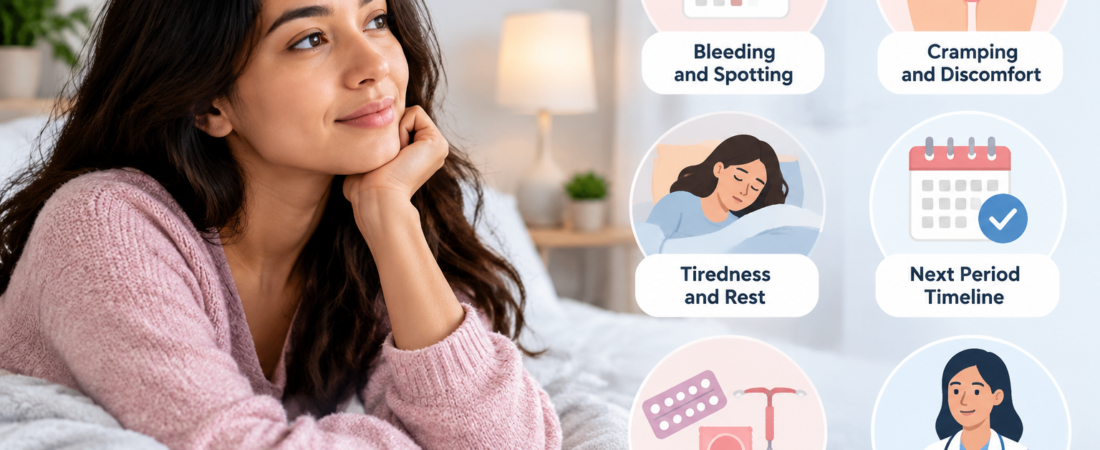
Recovery after a medication abortion is different for everyone. Some people feel well enough to resume their usual routines the following day, while others need more time to rest and recover. Cramping, bleeding, spotting, and temporary tiredness are common experiences during this period.
Understanding the recovery process can help you feel more prepared and recognize when you may need medical attention. For a broader understanding of the procedure, read this guide to how an abortion is done.
How Does Your Body Feel After a Medication Abortion?
The physical effects of a medication abortion vary from person to person. Cramping and bleeding are often most noticeable after taking misoprostol, the second medicine used in many medication abortion regimens.
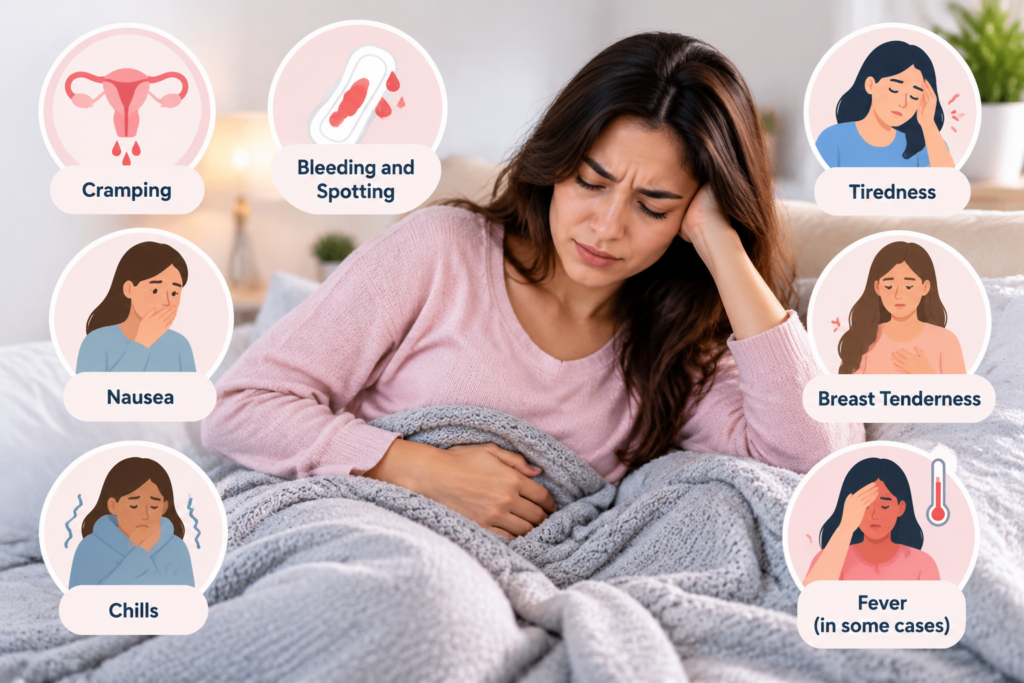
You may experience tiredness, nausea, chills, or temporary discomfort. These symptoms generally improve as recovery progresses, although the timing differs between individuals.
Resting in a comfortable environment, drinking enough fluids, and keeping your healthcare provider’s aftercare instructions nearby can make the experience easier to manage.
Most people can gradually return to their regular activities as they feel better. However, contact your healthcare provider if symptoms persist, worsen, or cause concern.
Practical Ways to Make Recovery More Comfortable
Preparing for recovery can help you feel more comfortable and reduce unnecessary stress.
Create a comfortable resting space. Keep water, light meals, sanitary pads, and other essentials within reach so you can rest when needed.
Give yourself time to recover. You may feel tired for a day or two. Return to everyday activities according to how you feel and the instructions provided by your healthcare professional.
Pay attention to changes in symptoms. Cramping and bleeding are expected, but severe or worsening abdominal pain, fainting, or very heavy bleeding require urgent medical attention.
Keep your aftercare instructions accessible. Your healthcare provider should explain how to confirm that the abortion is complete, whether a follow-up pregnancy test is needed, and how to get help if you have questions.
Taking time to recover and knowing when to seek assistance can help you feel more confident during this period.
How Long Do Bleeding and Cramping Last?
Bleeding and cramping are common after a medication abortion. The amount of bleeding and the duration of discomfort vary from person to person.
Cramping and heavier bleeding generally occur during the process of passing the pregnancy tissue. Afterward, bleeding often becomes lighter, although spotting may continue intermittently for several weeks.
Some people also experience breast tenderness. If your breasts feel uncomfortable, a supportive bra may help.
Contact your healthcare provider if you experience persistent fever, worsening pain, or symptoms that do not improve as expected. Seek urgent medical care for severe pain, fainting, or very heavy bleeding.
What Emotional Changes Might You Experience?
Emotional responses after an abortion can vary. Some people feel relief, while others experience sadness, uncertainty, regret, or a mixture of emotions.
There is no single emotional response that everyone should expect. Your feelings may also change over time, depending on your circumstances and available support.
If emotional distress begins interfering with your daily activities, consider speaking with a healthcare professional or a qualified counsellor. Confidential emotional support may also be available through reproductive health services.
You do not need to manage difficult feelings alone.
When Will Your Period Return?
Your next menstrual period commonly returns within approximately four to eight weeks after a medication abortion, although the timing can vary.
Bleeding immediately after an abortion is part of the recovery process and should not automatically be mistaken for your next regular period.
Hormonal birth control may affect the timing and pattern of subsequent bleeding. If your period has not returned by eight weeks, contact a healthcare professional for advice.
It is also important to remember that ovulation can occur before your next period. This means pregnancy can happen again relatively soon after an abortion.
If you want to avoid another pregnancy, discuss contraception options with your healthcare provider.
When Can You Have Sex Again?
You can discuss when to resume sexual activity with your healthcare provider, particularly if you have ongoing bleeding, pain, or other symptoms.
Your comfort and recovery matter. If sex causes pain or you develop concerning symptoms, stop and seek appropriate medical advice.
Remember that fertility may return before your next period, so consider contraception if you do not wish to become pregnant.
Can You Exercise After Taking the Abortion Pill?
Rest is often helpful on the day you take misoprostol, when cramping and bleeding may be more noticeable.
Many people can resume light activities, such as walking, as they feel comfortable. However, strenuous exercise and heavy physical work may be difficult during the initial recovery period.
Return to exercise gradually and follow any specific restrictions given by your healthcare provider. Avoid pushing yourself if you feel weak, dizzy, or unwell.
If physical symptoms worsen during activity, stop and seek medical advice when appropriate.
When Can You Start Birth Control?
Many contraceptive methods can be started immediately after a medication abortion, but the appropriate timing depends on the method and your individual circumstances.
Because ovulation may return before your next period, it is helpful to discuss contraception promptly if you want to prevent another pregnancy.
Your healthcare provider can explain available options, how to use them correctly, and which method may best suit your needs.
Is Breastfeeding Safe After Taking the Abortion Pill?
If you are breastfeeding, ask your healthcare provider or pharmacist for advice specific to the medicines used and your circumstances.
The medications involved in abortion can pass into breast milk in varying amounts. Current guidance depends on the particular medicine, dosage, and individual situation, so it is important to obtain reliable, up-to-date advice before changing your breastfeeding routine.
Your healthcare provider can help you understand whether any precautions are needed.
When Should You Contact a Healthcare Professional?
Although cramping and bleeding are expected, certain symptoms should not be ignored.
Seek urgent medical attention if you experience:
-
Severe or worsening abdominal pain.
-
Fainting or significant dizziness.
-
Very heavy bleeding.
-
Severe weakness or feeling seriously unwell.
Contact your healthcare provider promptly if you develop a persistent fever, ongoing vomiting or diarrhoea, or symptoms that worsen rather than improve.
Your provider should also explain how to confirm that the abortion is complete. Follow the recommended pregnancy testing or follow-up plan, even if your symptoms appear to have resolved.
Frequently Asked Questions
Is it normal to feel tired after taking the abortion pill?
Yes. Temporary tiredness can occur during recovery. Rest as needed, and contact your healthcare provider if fatigue is severe, persistent, or accompanied by other concerning symptoms.
How long can spotting continue?
Spotting may continue intermittently for several weeks. The duration varies. Seek medical advice if bleeding becomes very heavy or is accompanied by severe pain, fainting, or other concerning symptoms.
Can you return to work the next day?
Many people can return to work or school the following day if they feel well enough. Others need more time. Your symptoms, type of work, and healthcare provider’s instructions should guide your decision.
When should you take a pregnancy test afterward?
Follow the testing instructions provided by your abortion provider. A special pregnancy test or a scheduled follow-up may be recommended because an ordinary home pregnancy test can remain positive for some time after an abortion.
Can you become pregnant before your next period?
Yes. Ovulation can return before menstruation, meaning another pregnancy is possible before your next period arrives. Discuss contraception with your healthcare provider if you want to prevent pregnancy.
Conclusion
Recovery after a medication abortion involves different physical and emotional experiences. Cramping, bleeding, spotting, and tiredness may occur, while emotional responses can range from relief to sadness or mixed feelings.
Rest when needed, follow your healthcare provider’s aftercare instructions, and make sure you understand how to confirm that the abortion is complete. Seek medical attention if symptoms are severe, persistent, or worsening.
For more background information, read this guide to What is the abortion pill?
Sources
-
Planned Parenthood — What Is the Abortion Pill?
Medical disclaimer: This article is for educational purposes only and does not replace individualized medical advice, diagnosis, or treatment. Always follow the instructions provided by your qualified healthcare professional.