
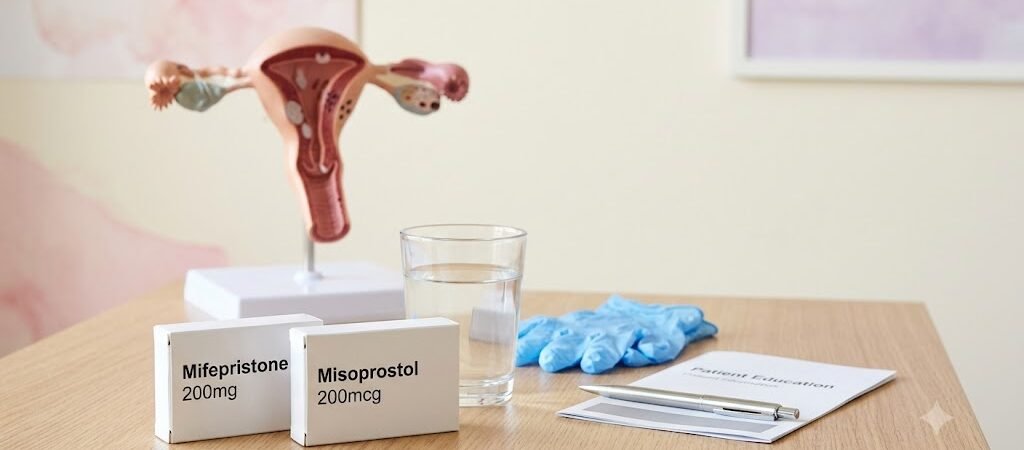
Although the packaging may vary by brand a common pack contains one mifepristone tablet and four misoprostol tablets and with both medicines containing 1,000 mcg. the kit which work together to stop a pregnancy from progressing and help the uterus expel pregnancy tissue. Understanding how these medicines work, what to expect during recovery, and when to seek medical attention can help people make informed decisions about their reproductive health.
For more educational information about reproductive health, medication abortion, and aftercare, visit Abortion Riyadh.
What Is the Abortion Pill?
The term “abortion pill” generally refers to a combination of mifepristone and misoprostol. These medicines work in different ways to end an early pregnancy.
Mifepristone blocks progesterone a hormone essential for maintaining pregnancy and This interrupts the hormonal support pregnancy to continue and on the other hands Misoprostol causes uterine contractions and helps the uterus expel pregnancy tissue through the vagina.
sometimes under certain circumstances misoprostol may be used without mifepristone but the appropriate treatment depends on factors such as the duration of pregnancy and medical history, available medicines and professional medical guidance.
Abortion medicines are different from emergency contraception. Emergency contraception helps prevent pregnancy after sex, whereas medication abortion ends an existing pregnancy.
How Do Mifepristone and Misoprostol Work?
Mifepristone: Blocking Progesterone
Mifepristone is generally the first medicine used in the combined medication abortion regimen and it blocks progesterone receptors and preventing the hormone from providing the support necessary for a pregnancy to continue normally.
This process prepares the uterus for the second medicine and helps make the combined treatment effective.
Misoprostol: Helping the Uterus Empty
Misoprostol is taken according to the prescribed treatment plan and it makes soft the cervix and stimulates uterine contractions_allowing pregnancy tissue to pass through the vagina.
Depending on the prescribed regimen, misoprostol may be administered buccally and sometime recomends to place between the cheek and gums; sublingually, under the tongue; or vaginally.
The appropriate method and timing depend on the treatment plan, so patients should follow their healthcare professional’s instructions.
What Happens After Taking the Abortion Pill?
Cramping and vaginal bleeding are common after misoprostol because the uterus begins contracting and expelling pregnancy tissue. The intensity and duration of these symptoms vary from person to person.
Common effects may include:
-
Abdominal cramps, ranging from mild to intense
-
Vaginal bleeding that may be heavier than a menstrual period
-
Blood clots or passage of pregnancy tissue
-
Nausea or vomiting
-
Diarrhoea
-
Chills or temporary fever
-
Tiredness or dizziness
Bleeding may gradually become lighter, although spotting can continue for several days or occasionally longer.
A healthcare professional can explain what to expect during recovery and recommend suitable pain-relief options. Following the prescribed aftercare instructions is important, particularly if symptoms are unexpected or become more severe.
When Should You Seek Medical Attention?
Although cramping and bleeding are expected, certain symptoms require prompt medical assessment. Seek urgent care for very heavy bleeding, severe or worsening abdominal pain, fainting, or significant dizziness. Persistent fever or foul-smelling vaginal discharge may also indicate a complication.
Severe pain on one side of the abdomen or shoulder-tip pain can be signs of an ectopic pregnancy, which requires urgent medical attention. Abortion medicines do not treat an ectopic pregnancy.
If you are concerned about your symptoms or are unsure whether recovery is progressing normally, contact a qualified healthcare professional.
How Effective Is the Abortion Pill?
Medication abortion using mifepristone and misoprostol is highly effective for ending an early pregnancy. However, its effectiveness depends on factors such as how far the pregnancy has progressed and whether the prescribed regimen has been followed appropriately.
In some cases, the pregnancy may continue or the uterus may not empty completely. Additional medication or a procedure may then be necessary.
Bleeding and cramping can indicate that the medicines are working, but these symptoms alone cannot confirm that the abortion is complete. Appropriate follow-up helps determine whether additional assessment or treatment is needed.
How Do You Know Whether the Abortion Pill Worked?
A healthcare professional may recommend a follow-up appointment, a specific pregnancy test, blood tests, or an ultrasound to determine whether a medication abortion is complete.
Regular pregnancy tests available in stores and some health centers may continue to show a positive result for up to five weeks after an abortion. This happens because pregnancy hormones, particularly human chorionic gonadotropin (hCG), can remain in your body for some time after the pregnancy ends. A positive result during this period does not necessarily mean you are still pregnant.
However, it is possible to become pregnant again very soon after an abortion, even before your next period begins. If you have had sex without using contraception since your abortion, a positive pregnancy test could indicate a new pregnancy rather than remaining pregnancy hormones.
For this reason, follow the recommended testing schedule and consult a healthcare professional if you are unsure about your results, pregnancy symptoms continue, or you suspect another pregnancy.
When Will Your Period Return After a Medication Abortion?
Your next menstrual period commonly returns within approximately four to eight weeks after a medication abortion, although the timing varies from person to person.
Hormonal changes following an abortion can temporarily affect your menstrual cycle _Hormonal contraception may also change your bleeding patterns, sometimes causing lighter_ irregular, or absent periods.
If your period has not returned within eight weeks and you are not using hormonal contraception, contact a healthcare professional for advice. You should also seek medical assessment if pregnancy symptoms persist or you experience other concerning changes.
It is important to remember that ovulation can resume before your next menstrual period __This means you can become pregnant again relatively soon after an abortion, even if your period has not returned.
If you do not want another pregnancy, consider discussing contraception options with a qualified healthcare professional. Options may include (birth control pills) and other methods suited to your health and individual circumstances.
Choosing an appropriate contraceptive method can help you plan future pregnancies according to your preferences.
What Should You Know Before Taking the Abortion Pill?
Medication abortion should be approached with reliable information and appropriate healthcare support. Before treatment, a healthcare professional may review the duration of pregnancy___medical history, current symptoms, and whether additional assessment is necessary.
It is particularly important to consider the possibility of an ectopic pregnancy when symptoms or medical history raise concerns. Because abortion medicines do not treat this condition, appropriate evaluation and urgent care may be necessary.
Access to abortion medicines, prescribing requirements, and applicable laws vary by location. Seek accurate information relevant to where you live and follow appropriate medical guidance.
Frequently Asked Questions
1. How does the abortion pill work?
abortion pill usually keeps two medicines one mifepristone and another one is misoprostol and each tablet is 200mcg and Mifepristone work by blocking progesterone a hormone needed to maintain pregnancy while misoprostol makes causes uterine contractions that help the uterus expel pregnancy tissue.
2. How long does the abortion pill take to work?
The timing varies depending on the prescribed regimen and individual circumstances and someting work instand. Cramping and bleeding commonly begin after taking misoprostol often within a few hours. The complete process may take longer and follow-up care can help confirm whether the abortion is complete.
3. What are the common side effects of the abortion pill?
Common side effects include abdominal cramping vaginal bleeding and nausea, vomiting, diarrhoea, chills, and temporary fever , backpain. Seek urgent medical care for very heavy bleeding, severe or worsening abdominal pain, fainting or other concerning symptoms.
4. Can a pregnancy test be positive after taking the abortion pill?
Yes. Pregnancy hormone levels can remain in the body for several weeks after an abortion so a home pregnancy test may still show a positive result. However a new pregnancy or an ongoing pregnancy is also possible__ Follow the recommended testing schedule and consult a healthcare professional if you are uncertain about the result.
5. Can you get pregnant again after taking the abortion pill?
Yes. Ovulation can return before your next menstrual period and meaning pregnancy can occur soon after an abortion. If you want to prevent another pregnancy discuss contraception options including birth control pills, with a qualified healthcare professional.
Conclusion
The abortion pill generally works through the combined effects of mifepristone and misoprostol and Mifepristone blocks progesterone which is essential for maintaining pregnancy while misoprostol causes uterine contractions that help pregnancy tissue pass.
Cramping, bleeding, and other temporary side effects are common during the process. Understanding what to expect, following medical instructions, attending recommended follow-up appointments, and recognizing warning signs are important parts of safe care.
It is also important to understand that pregnancy hormones can remain detectable for several weeks after an abortion, while ovulation can return before your next period. Following the recommended testing schedule and considering contraception options can help you make informed decisions about your reproductive health.
Sources
You may also read:
Medical disclaimer: This article is intended for general educational purposes only. It does not replace professional medical advice, diagnosis, or treatment. Consult a qualified healthcare professional for guidance specific to your circumstances.