Latest posts
How Painful Is the Abortion Pill? Week by Week (4, 5, 6 and 8 Weeks)

Key takeaways Most women describe abortion pill pain as cramps like a strong period. Some feel stronger cramps for a few hours. Earlier pregnancy usually means less pain. At 4–5 weeks, cramps are often milder than at 8 weeks. Mifepristone usually causes little or no pain. Most cramping comes after misoprostol. The strongest pain usually…
Types of Abortion Explained: Spontaneous and Induced (With Chart)

Key takeaways In medicine, “abortion” means any pregnancy that ends before 20 weeks. This includes miscarriage. There are two main groups: spontaneous abortion (miscarriage, which happens on its own) and induced abortion (ended with medicine or a procedure). Doctors describe 7 types of spontaneous abortion: threatened, inevitable, incomplete, complete, missed, septic and recurrent. Induced abortion…
Threatened Abortion (Threatened Miscarriage): Meaning, Signs, Chances and Treatment

Key takeaways A threatened abortion is vaginal bleeding in the first 20 weeks of pregnancy with a closed cervix. It does not mean the pregnancy is lost. Many babies survive and are born healthy. About 1 in 4 pregnant women have some bleeding in the first trimester. There is no medicine that can stop every…
What Is Inevitable Abortion? Signs, Diagnosis and When to Get Help

Bleeding in early pregnancy is frightening and many women hear the words (inevitable abortion) for the first time in an emergency room. This guide explains in simple words what the term means what symptoms to watch for how doctors confirm it what treatment involves and how it differs from threatened, incomplete and missed abortion. Emergency…
Incomplete Abortion: Signs, Causes and Treatment
Safety An incomplete abortion happens when some pregnancy tissue stays in the uterus after a miscarriage or abortion. It is treatable, but it needs a doctor. This guide explains the signs, why it happens, how doctors diagnose and treat it, what “cleaning pills” really means, and when to get emergency care in Saudi Arabia. Medically…
Abortion in Saudi Arabia: What the Law Allows
Law & Access Abortion in Saudi Arabia is tightly regulated. This guide explains in plain language when the law allows it, who must approve it, what is not permitted, and how to get safe medical help in Riyadh and across the Kingdom. It is general information, not legal advice. Medically reviewed by Dr. Bhimi Daimari…
Abortion Pill Cost in Saudi Arabia: What You Need to Know
Access & Safety Many people search for the abortion pill cost before anything else. In Saudi Arabia the honest answer is that there is no legal price for pills on their own. This guide explains why, what legal medical care involves, why prices offered online are a warning sign, and where to get safe advice…
Abortion Pill Names: What the Medicines Are Called
Medicines Many people search for the abortion pill name, or for a different pill for each month of pregnancy. This guide explains the real names of the medicines, their generic and brand names, what changes as a pregnancy gets further along, which products are not abortion pills, and how to get safe care in Saudi…
How to Spot Fake Abortion Pills in Saudi Arabia
Safety Fake abortion pills are a serious risk in Riyadh and across Saudi Arabia. This guide explains what fake abortion pills are, the warning signs in the seller and the packaging, what genuine abortion medicines look like, the dangers of taking a counterfeit, and what to do if you think you already have. Medically reviewed…
Misoprostol: Uses, How It Works and Side Effects
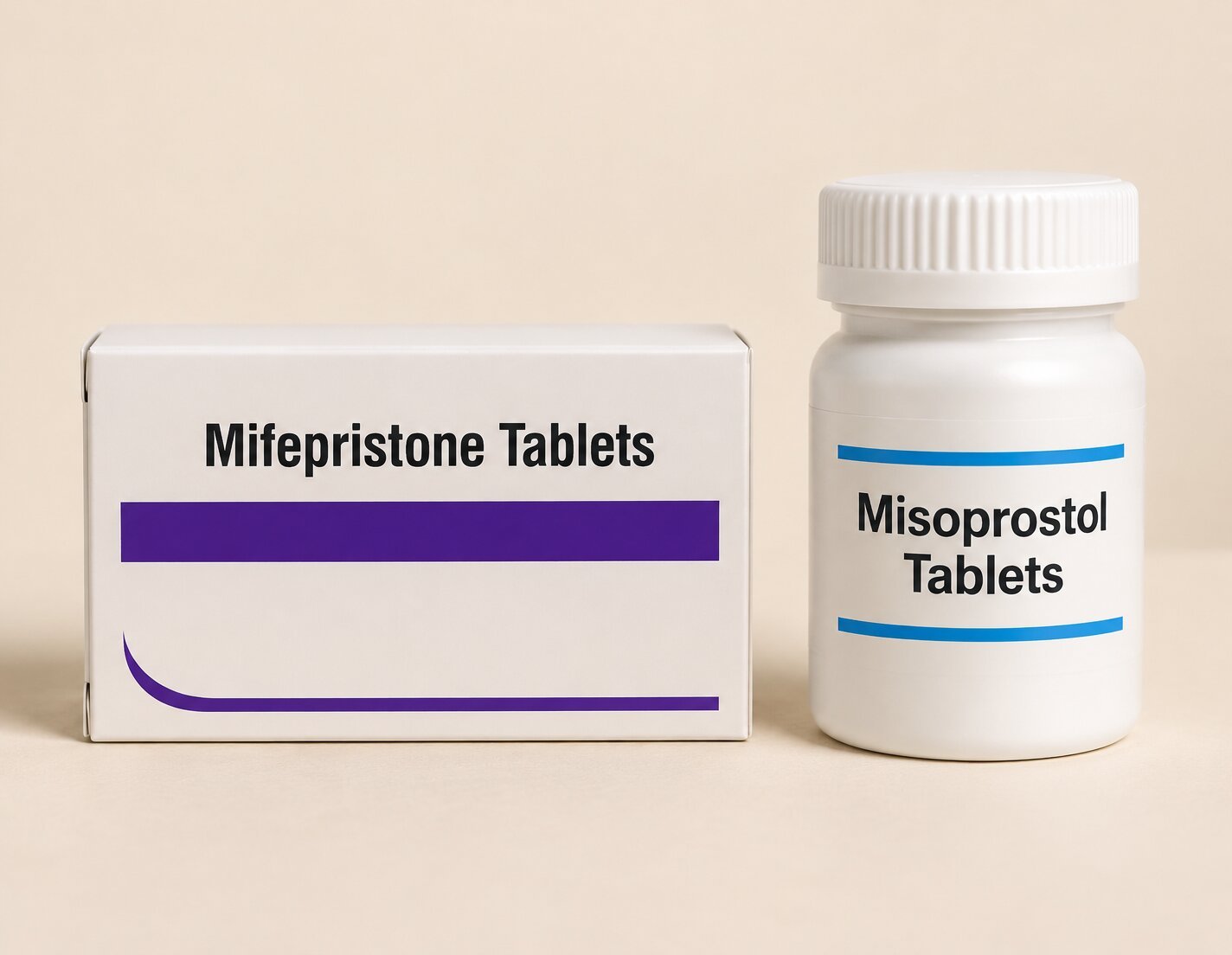
Medicines Misoprostol is the second medicine used in a medication abortion, and it also has several other medical uses. This guide explains what misoprostol is, how it works, what it is used for, its side effects, important warnings, and the situation in Saudi Arabia. It is written for readers in Riyadh and across Saudi Arabia.…